
Knowledge guide / 02
How to frame an ESD packaging requirement
An ESD project begins with the sensitivity of the device and handling environment, then connects the material, complete package and verification method.
01
Define the protected item
Identify the device, assembly or component and the relevant ESD-control program. Record whether the packaging is used for line-side handling, storage, inter-plant transport or external shipping.
02
Do not use one resistance term for every need
Conductive, static-dissipative and anti-static descriptions are not interchangeable. Define the required surface or volume resistance range, test method, conditioning and measurement points with the customer's ESD specialist.
03
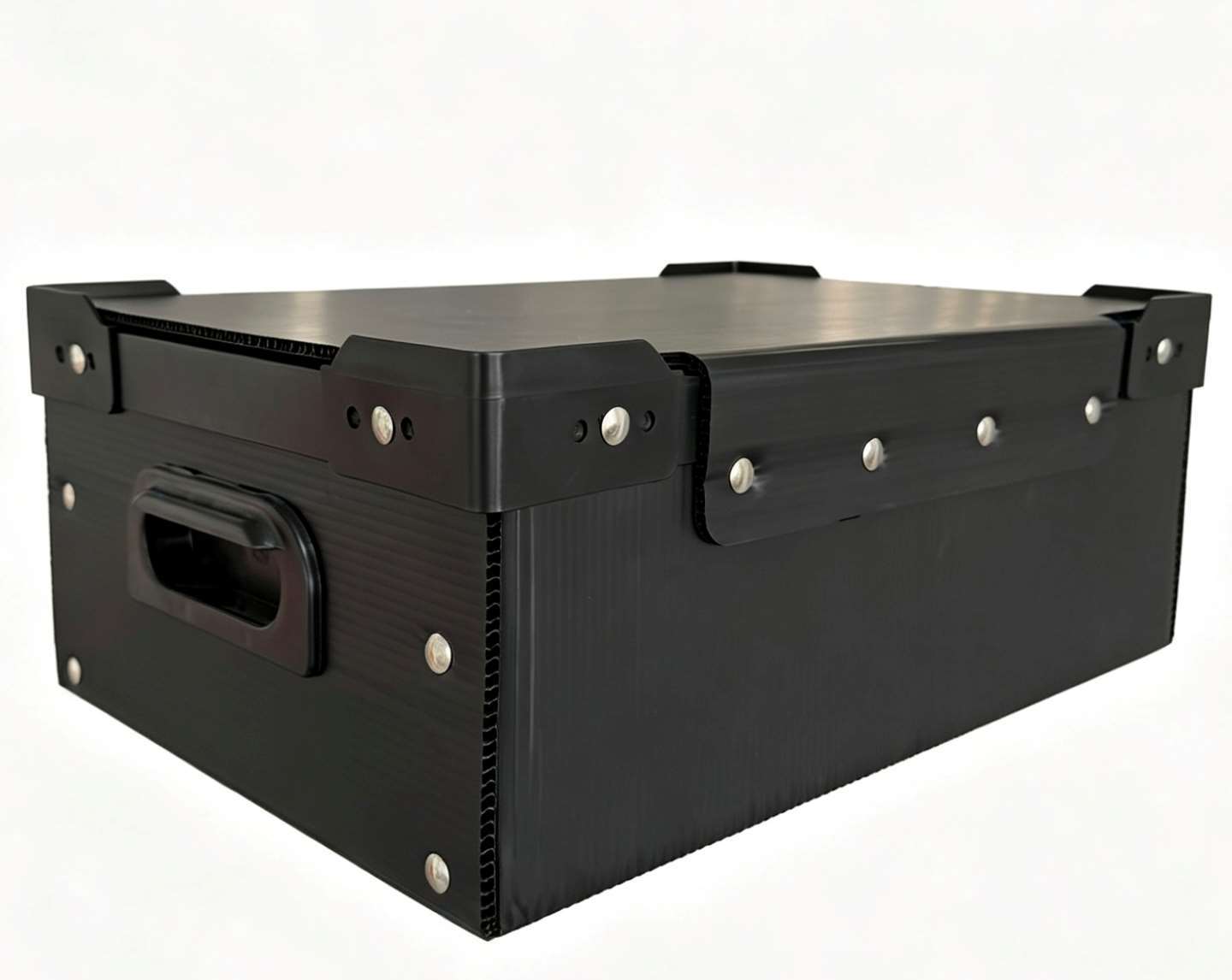
Evaluate the complete package
The sheet is only one part of the system. Dividers, foam, fabric, fasteners, handles, labels and contamination can change the package's behavior. The assembled configuration should be reviewed rather than relying only on a raw-sheet value.
04
Include mechanical and cleanliness needs
Specify payload, drop and impact risks, stacking, abrasion-sensitive surfaces, particulate concerns and cleaning. A packaging system must protect against both electrostatic and physical damage.
05
Plan verification and change control
Agree on incoming inspection, sampling frequency, environmental conditioning, traceability and how material or process changes are approved. Retain the test method and acceptance range in the purchase specification.
06
Prepare a useful inquiry
Send the target resistance, component sensitivity, internal dimensions, payload, divider layout, handling route, cleaning need, expected quantity and destination.
This guide is general information. Final material, structure, cleaning, performance, compliance and acceptance criteria must be confirmed for the actual product, route and jurisdiction.